The Sinking of the Lisbon Maru Review
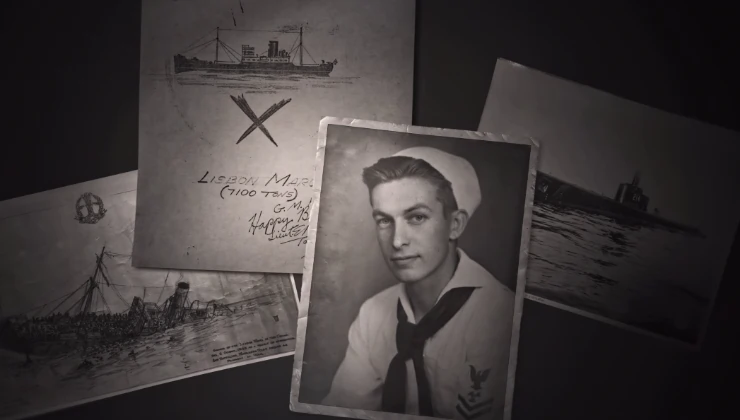
History has always been a passion of mine since childhood. One period I’ve always been particularly drawn to is World War II—a time full of horror and tragedy, but also moments of camaraderie and immense sacrifice for the greater good. Many films and documentaries have explored different facets of the war: Darkest Hour depicted the political struggle to avoid surrender to the Nazis, The Zone of Interest was a chilling family drama set outside a concentration camp, and The Eight Hundred portrayed a Chinese army defending their country against Japanese forces.
However, an event rarely discussed in history books or visual media is the subject of this remarkable documentary. The Sinking of the Lisbon Maru examines the fate of a Japanese transport vessel carrying around 1,800 British prisoners of war—and the tragedy that unfolded when it sank.
The film begins with Fang Li on Dongji Island, China, searching for the Lisbon Maru. He first learned of the ship while filming a movie on the island, where a local man told him about a Japanese vessel that had sunk nearby—and how the villagers had used their own boats to rescue British prisoners from the sea. Yet the ship itself has never been found. Using his experience as a geologist, Fang sets out to locate it. As his journey progresses, he discovers how little coverage the event has received, and how many families never had the chance to learn what happened to their loved ones. He starts by meeting one of the few historians who has written about the incident, then travels to the UK to meet a known survivor and seek out relatives of those aboard the ship.
From the outset, my eyes welled up as the film revealed how many families were left without fathers, uncles, or brothers—men who had been shipped off to fight for freedom. The Sinking of the Lisbon Maru powerfully captures the horrors of war, and how so many young men, aged just 20–25, were sent to die before they’d had a chance to truly live. We hear about acts of heroism and the lengths people went to in order to survive. When we meet Dennis Morley (aged 99), the only known surviving prisoner of war from the Lisbon Maru, he admits he no longer recognises his comrades in the photos—and doesn’t wish to remember, as it all remains in the past.
One of the early twists comes when the team receives an email revealing another survivor: William Benningfield (aged 98), now living in Canada. The film makes it clear why this project matters—without it, the stories of Dennis, William, and so many others might have been lost forever or remained private family memories. Thanks to this documentary, their voices are heard, the horrors they endured revealed, and their struggle to survive against overwhelming odds honoured—even as hundreds perished.
What makes the film particularly special is Fang Li’s unwavering determination to tell the full story. As the journey moves to America, two relatives of servicemen involved in the sinking explore whether the attack could be considered friendly fire, given there were more British prisoners than Japanese soldiers on board. This segment is deeply compelling, highlighting both the American war machine and ideas of military superiority, while also drawing chilling parallels with the Japanese perspective—their justifications and sparse acknowledgements of wartime atrocities. There is little remorse shown by some of the Americans and Japanese interviewed, as they continue to view each other as enemies.
The Sinking of the Lisbon Maru is richly layered, consistently progressing and revealing new details and perspectives. Though I found it a tad lengthy (perhaps because I don’t often watch documentaries), I was completely absorbed by the storytelling. Fang Li does an outstanding job presenting the material. A particular highlight is the use of CGI recreations of the actual events. These animated sequences are not lifelike in the conventional sense, but they are highly artistic and deeply effective in capturing the emotion and chaos of the moment.
What bookends the film so powerfully is the story of the Dongji Island villagers who risked their lives to save strangers. Their bravery and compassion serve as a reminder of the better world we could build through kindness. We also meet a 94-year-old fisherman—the last surviving member of the group who helped rescue the prisoners from the sea.
The Sinking of the Lisbon Maru is a profoundly gripping and powerful documentary, unlike anything I’ve encountered before. Its simplicity in presentation belies the depth of its storytelling. Once you’ve seen this film, you’ll never forget the name Lisbon Maru—or what happened.
★★★★1/2
Currently in Select UK Cinemas and throughout the year / Fang Li, Dennis Morley, William Benningfield / Dir: Fang Li / UK-China Film Collab / 12A
Discover more from
Subscribe to get the latest posts sent to your email.
About the Author