Mārama Review (Grimmfest Film Festival 2026): Intense Gothic Horror Infused With Māori Spirituality
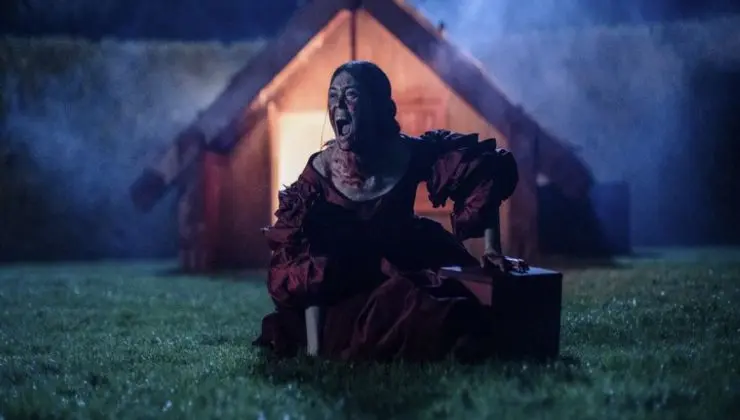
Taratoa Stappard’s debut feature is a fiery tale of ancestral convergence and transcendental retribution, bristling with anger and bursting with cultural pride. Deeply personal and painfully authentic, it’s a vicious autopsy of colonial despotism in a mortuary of Gothic Victoriana.
Māori woman Mārama receives a letter offering passage to Yorkshire and the truth about her murky lineage upon arrival. She travels from New Zealand to Hawsker Manor in Yorkshire only to find the man who promised to reveal vital family secrets has succumbed to the pox. Unsure of her next move, Mārama is persuaded by Nathaniel, the manor’s owner, to become governess to 9-year-old Anna, who shares her shooting-star birthmark.
Haunted by spectral reflections and besieged by highly disturbing visions, Mārama becomes enveloped by the flame-flickered shadows of a terrifying Gothic nightmare. Valuing truth and dignity above safety and sanity, she wades through a swamp of cultural theft and patriarchal abuse to confront the atrocities of her past.
Choosing the horror format to tackle the genocidal damage colonialism did to generations of the Māori people makes perfect sense. Vile entitlement and abuse saw the Māori population decimated by over half, with an average life expectancy of just 25 around the film’s timeline. The sheer odium of the subject matter alone makes it one of the grimmest films of the year, even before adding elements of cinematic grotesquery.
Explore more of our reviews →
Swathing the film in the crushed-velvet melodrama of Gothic horror could have made the its devastating vitriol more palatable for casual viewers, had it not chosen to cherry-pick the most heinous tropes imaginable from the genre and extrapolate them for maximum trauma. There are no dark romanticisms here. No whimsical philosophising or starry-eyed lusting over moody men on windswept moors. This is Jane Campion out for revenge on Absinthe in the disgruntled company of Nietzsche.
If the seeping supernaturalism doesn’t shake you, the robust violence will. However, the film is at its most effective, and utterly shocking, when it storms the ramparts of realism. These uncompromising swerves into stark clarity are beyond bleak. Thousand-yard stares into a past that will leave you squirming in a slop of guilt by association. Indeed, unprepared viewers seduced by the rich historical setting and lush period detail will emerge from it dumbfounded and emotionally mauled.
Sölve Steven and Rob Thorne soundtrack the melodramatics with Māori music. It has the dark sonics of a brooding Gothic score, but played on traditional Māori instruments, it transforms into a naturalistic soundscape of otherworldly symbiosis. The film’s dialogue becomes elevated by the music’s strong roots in vocal cadence, and the revolting horrors gain extra layers of sadness through its evocative membrane.
At the film’s core is a truly extraordinary party scene. Staged and acted to perfection, it personifies everything evil about colonial extraction. Mārama’s reaction to this orgy of appropriation is literally showstopping in its indignant ferocity. A mind blowing hit of immense authenticity that’s pure cinematic dopamine.
This curt and classy period piece is Théâtre du Grand-Guignol through the lens of cultural degradation. An audio-visual symphony of wrath that ranks as one of the most powerful films of the year.
★★★★★
English Premiere at Grimmfest 2026, Oct 10th / UK Cinema release 11th December 2026 / Dir: Taratoa Stappard / Ariāna Osborne, Toby Stephens, Umi Myers / Vertigo Releasing / Cert 15

Discover more from
Subscribe to get the latest posts sent to your email.
About the Author



You must be logged in to post a comment.