Oslo Stories Trilogy: Love Review
The second instalment in Dag Johan Haugerud’s Oslo Stories Trilogy has a lot to live up to, following on from the first instalment, Dreams, a film that carried a delicate story expertly. Unfortunately, it seems Love will live in its shadow.
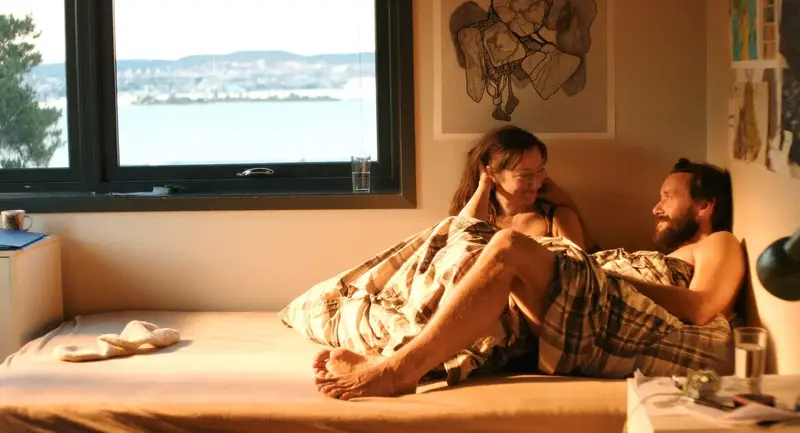
Love is about two co-workers, Marianne and Tor, who are exploring their identity (both sexual and personal) while navigating emotional turbulence in the relationships they choose to keep. In classic Scandinavian style, this Norwegian cast performs incredibly naturally; even if it’s to the tune of a disappointing script.
The problem with Love is not Marianne’s unguided passion or Tor’s teetering between overbearingness and friendliness, but it’s the lack of any real risk for either character in their self-discovery. Although Marianne is a urologist and Tor is her assistant, their collective exposure to an unhealthy level of depressing diagnoses and lonely last-chance patients fails to instil any sense of urgency in them. Which would be fine if there was something else motivating them other than simply being human.
There’s a fine line between a realistic drama and a boring film, and this second instalment fell into the latter in the last thirty minutes. As Tor oversteps his friendship with patient Bjorn and Marianne feels out of place in her ‘situationship’ with Ole Harald (a divorcee whose ex-wife lives next door), we’re forced to question: what do we gain from their stories? Inspiration to live in sexual freedom? Motivation to forge genuine connections? Desire to feel intimacy? All would be well and good if our cast’s dialogue pushed past unconvincingly random bursts of wisdom and weak shows of empathy: although Haugerud’s cast embodies their roles well, their roles feel hollow and bare.
All is not lost from Dreams: Haugerud’s novelist background comes out to play once more with an incredibly heartfelt scene between Marianne and Harald. As they become closer, they choose to show each other their handwriting; “something you don’t usually see anymore.” This kind of intimacy—raw, open, refreshing—could have elevated the stakes of Haugerud’s almost-romances in this film.
We’re teased once again by some real hard-hitting consequences to the human desperation for relationships, when Tor connects his and Marianne’s diagnoses to a more impactfully negative experience for gay men. Unfortunately, this hint at intersectionality from Haugerud is fleeting and lasts no longer than one scene, robbing Tor of the chance to be more than just an enthusiastically friendly and sexually free gay man. Even Bjorn’s later mention of his AIDS experience isn’t enough to bring the threads of deeper meaning together: Tor’s settling of Bjorn’s nerves with a nighttime cuddle and a morning kiss feels almost patronising.
Haugerud remains a talented director – Love just isn’t his best work.
★★
In UK cinemas August 15th 2025 / Andrea Braein Hovig, Tayo Cittadella Jacobsen, Thomas Gullestad, Marte Engebrigtsen / Dir: Dag Johan Haugerud / Modern Films / 15
Discover more from
Subscribe to get the latest posts sent to your email.
About the Author