Concrete Land Review (2026 Locarno Film Festival)
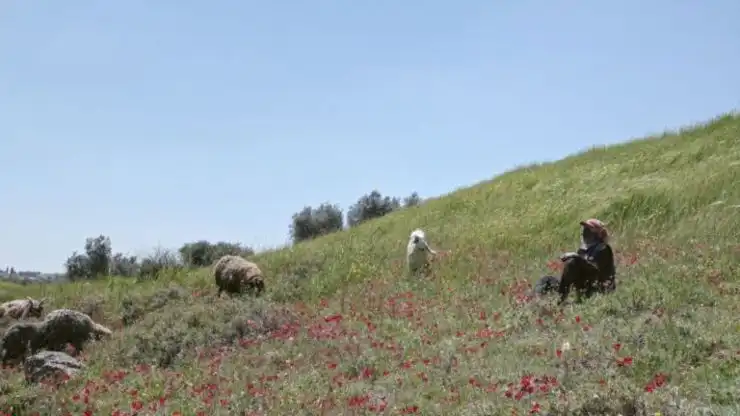
Stories of displacement and exile, insofar as there’s war of any kind, flood the news, and they clutch at one’s heart with their complexities. Concrete Land is set to cast light on an overlooked aspect of uprooting homes, and it does so with adequate sobriety and, yes, humor.
Over the years, the concepts of quality of life and sustainability have been radically remodeled at different paces around the world. Natural extractive practices have exacerbated the consequences of designing a future by pointing towards direct and immediate destruction, but also by surfacing ethical considerations about human agency. These are no less acute within urban environments, where human life is housed, and raise no fewer concerns regarding the impact of human intervention—even if it manifests through structural, regulatory reach. Anything falling outside the strict canons of efficiency, economic growth, and high-end engineering is simply discarded.
In such a context, traditions are erased prior to examining what can possibly be distilled from them. In turn, alternative lifestyles are effectively rejected and excluded.
One of the few remaining Bedouin families of nomadic heritage, currently residing on the outskirts of Amman, Jordan, is subject to this shift. In Concrete Land, director Asmahan Bkerat follows the three generations who compose this household as they bear witness to and suffer the brunt of marginalization, renouncement, and eviction.
For years, her camera was held close to the family members as they savored pleasantries among them and as they protested their limits—across the cycles of life, death, and birth. The joy of combing, say, the fringes of their beloved friend Badrya, who happened to be a sheep, or a cross-generational debate over how much eight plus seven actually is, are a few examples of the amusing scenes this documentary lays before us, in search of understanding the marrow and sinew of a lifestyle that may seem peculiar to average Western eyes. Over the course of small and big events in their lives, Bkerat (whose filmmaking practice was triggered by her encounter with this family) builds an exceptionally bold counterweight to Jordan’s official modernization narrative and its economic vision.
Concrete Land takes a while to establish its narrative footing, which ultimately serves its purpose: exposing the absence of bridges needed to comprehend the Other. Funny, witty, and understated, the approach of Bkerat demonstrates a refreshing vitality in contemporary documentary practice—one that will most likely get further settled. Backed by major institutions (including the IDFA Bertha Fund and the Sundance Documentary Fund), the Palestinian-Jordanian debutante is already planning a regional association to support non-fiction storytellers across the MENA region. Bkerat‘s path signals a tangible shift toward truly decentralized storytelling in global cinema. We are past politicizations and negotiations; is anyone else sensing this?
★★★★ 1/2
Premiered at the Semaine de la Critique (Critics’ Week) at the Locarno Film Festival. / 101’, Dir: Asmahan Bkerat / Producer, Editor, Writer: Ban Maraqa / Executive Producer: Jane Mote / Arkima Films / Jordan, Palestine

Discover more from
Subscribe to get the latest posts sent to your email.
About the Author


You must be logged in to post a comment.