Bunny Rabbit Review (2026 Tubi London Frightfest)
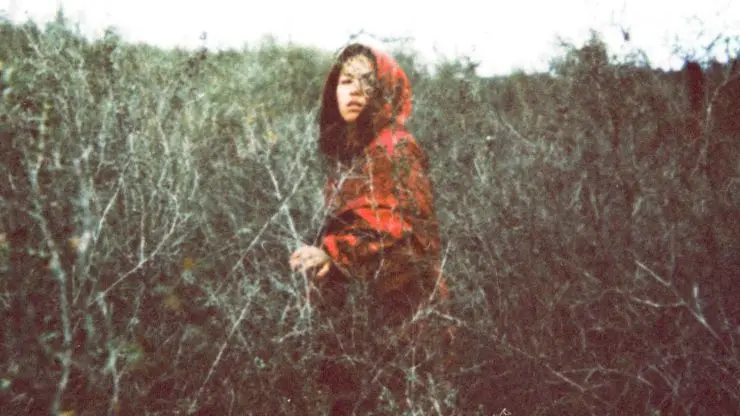
Minimalist climate-catastrophe horror Bunny Rabbit makes the most of its tiny budget and stunning Australian backdrop to forge a disturbing character study in the dying embers of an apocalypse.
On the 4th of January 2030, global warming finally catches up with humanity, and Australia is engulfed in an inferno. Bunny is one of the survivors, spending her time scrabbling for nutrition, watching old VHS tapes, and gun training with her mentally compromised father.
Their fragile, barren existence in a ramshackle hovel seethes with boredom and resentment but retains a semblance of unconditional love. They seek distraction and solace in each other as they scavenge and scrape for survival.
As food begins to get scarcer, even the cockroaches have disappeared, and her disturbed dad kicks the apocalypse bucket, Bunny adopts a nihilistic stance with shocking moral consequences. With her already tiny world further contracted, she is compressed into a distillation of pure animalistic instinct.
At first James Branson’s downbeat debut appears to cement its genre touchstones with a Mad Max style voice over and the towers of ancient VHS films stacked aside the basic T.V. set in Bunny’s home. Movies as eclectic as “Aliens” , “Dance Barbie“, and in an amusing reflection of her predicament “The Flintstones“.
This pop cultural “framing” seems to be in direct reference to the interview segment of Gaspar Noé’s psychological horror masterpiece Climax. To the extent that Dario Argento‘s iconic Susperia appears in both selections. With Noé he is flaunting his influences in order to stroke his enfant terrible ego but here it is a narrative device used to enforce the repetitiveness and lack of choice in Bunny’s life. It is also indicative of the films nuanced approach to the exploration of isolation and arrested development.
However, it is the subtle signpost of Bunny’s choice of reading material, the 1981 Peter Cary novel Bliss, that dominates the films thematic wheelhouse. While Bunny’s perception shift contrasts with Harry Bliss’s near death awakening, there is much sharing of conceptual DNA.
Consumerism and complacency, moral bankruptcy, “life as hell”, metaphysical upheaval and ecological symbiosis thrive in the heartland of both works. Branson’s film is definitively more discreet in its social observations but non the less incisive.
There are some lovely cult movie flourishes in Bunny Rabbit such as the dialogue exchange that crowns David Bowie and Stevie Nicks the king and queen of witches and the opening dashboard cam footage.
Aemon Barzanji’s outstanding cinematography wraps the whole viewing experience in a decaying beauty that galvanises the narrative and nurtures the fine performances. As always, Australia’s theatrical landscape is the low budget filmmakers best friend, but this is the most purposeful and organic manipulation of it since Sam Curtain lensed his lethal exploitation picture Beaten to Death there.
Structurally assured, with a deadly desensitised central performance from Kate Wilson, and a truly haunting score, it’s a move that broods with the quiet artistic sincerity that makes independent cinema such a refreshing antidote to mainstream bluster.
★★★★
UK Premiere at Tubi London Frightfest on the 31st of August 2026 / Kate Wilson, Andy Golledge, Saxon Cook, Ontrei / Dir: James Branson / Elusive Fish

Discover more from
Subscribe to get the latest posts sent to your email.
About the Author


You must be logged in to post a comment.