Film Review – Women Talking (2022)

It’s an understated, almost benign title for a film. One that conceals acts of extreme violence and monumental, life changing decisions. But the voices in Sarah Polley’s Women Talking do more than simply speak. They shout. They roar. They howl. And they bring about a profound shift in their lives.
Home for them is an isolated Mennonite community, miles away from the nearest city. It’s 2010, although to an outsider it could be a century ago. The members of the colony lead austere, insular, church-focused lives, the women have never been taught to read or write. Over several years, a number of them have been drugged and raped at night by a group of men from the community. A trial has taken place, the men have been found guilty of their crimes, but now the survivors have to decide what the future holds. They come together to make the biggest decision of their lives and their choices are stark: stay and do nothing, stay and fight or leave their homes forever.
The film, and Miriam Toews’ book on which it’s based, take inspiration from events in Bolivia between 2005 and 2009, when a group of women in the Mennonite religious colony had the same horrific experience. Drugged with horse tranquiliser and raped by their neighbours, brothers and even husbands, they woke up to find their sheets soaked in blood. Both book and film imagine events after the verdict on the men has been delivered and, yes, there’s a lot of talking. But it’s all with a purpose. One of the strengths of Polley’s Oscar-nominated screenplay is its examination of the issues and emotions feeding into their decision: religious beliefs, especially forgiveness, are in the forefront, but there’s anger, grief, continued abuse and a powerful protective instinct when it comes to their own children.
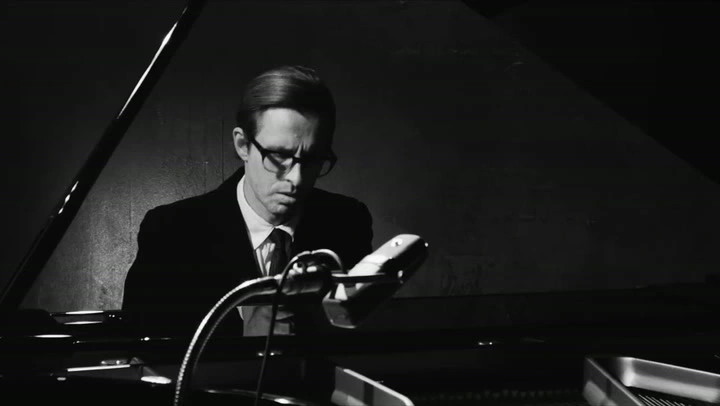
On the face of it, the production looks stagey, with most of the discussions taking place in a barn. But the outside world and all it stands for is never too far away: glimpses of the never-ending farmland are simultaneous reminders of their isolation and the gulf to be crossed if they decide to leave. Plus there’s the presence of one, solitary man in the barn: August (Ben Whishaw) has returned to the community after some years as away as a teacher and is chosen by the women to keep a record of their meetings. Mild mannered and with an old head on younger shoulders, he demonstrates that life outside the colony isn’t necessarily full of evil, and nor are all men. The women may be uneducated, but they are far from unintelligent or inarticulate, even if some of them are more ruled by their hearts than their heads. The most fascinating clashes are between Claire Foy’s Salome and Jessie Buckley as Mariche, two sides of the same temperament coin, but arguing passionately for diametrically opposed courses of action.
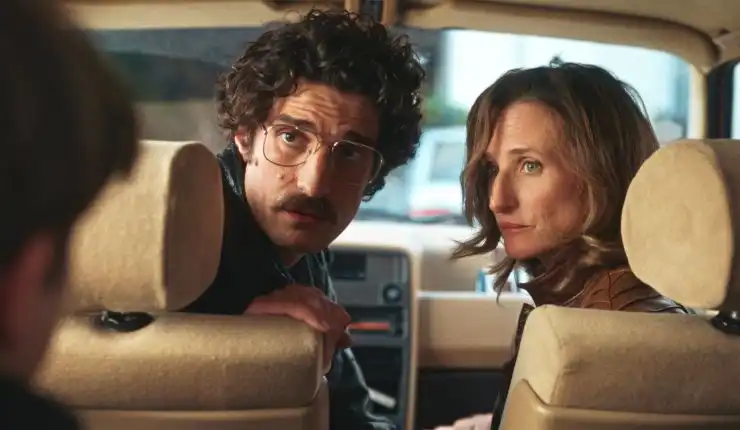
Polley has amassed an excellent cast – Rooney Mara and Frances McDormand (who also produces) and Sheila McCarthy included – one that creates living, breathing characters while shining a light on the intricate relationships between the group. It’s yet another example – She Said and The Banshees Of Inisherin are others – of why the major awards should seriously consider a new category for ensemble casts. It’s hard to single out individual performances, but those flying sparks between Foy and Buckley are something special. The film will need all that firepower as its released at the same time as a trio of blockbusters and arrives after a chilly reception in American cinemas. Those box office takings do it a serious disservice. An important, emotional film, it asks so many vital questions, but doesn’t always offer answers. Perhaps that’s down to us.
★★★★
Drama | Selected UK cinemas from 10 February. General release from 17 February | Universal Studios | Dir: Sarah Polley | Rooney Mara, Claire Foy, Jessie Buckley, Ben Whishaw, Frances McDormand, Sheila McCarthy.
Discover more from
Subscribe to get the latest posts sent to your email.
About the Author