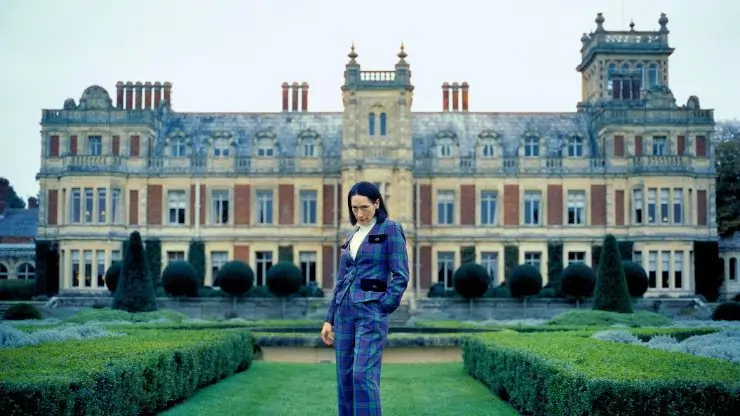
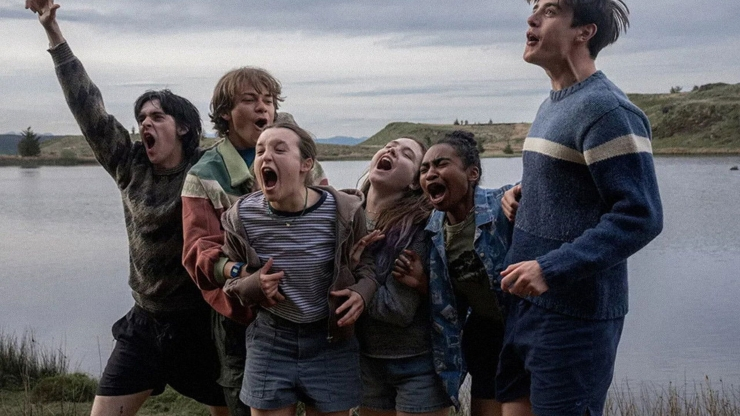
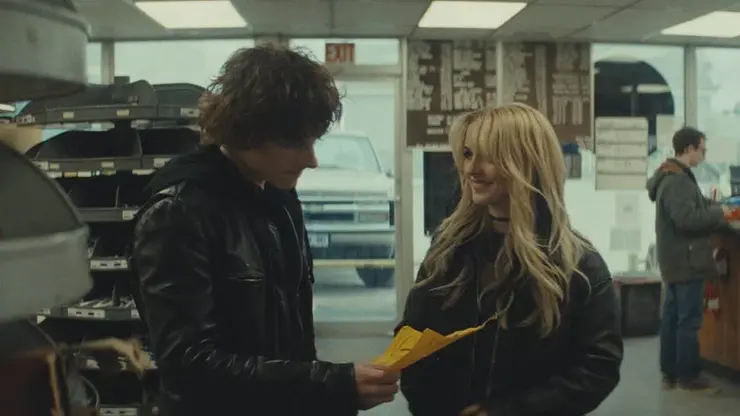
Film Review – The Silent Twins (2022)
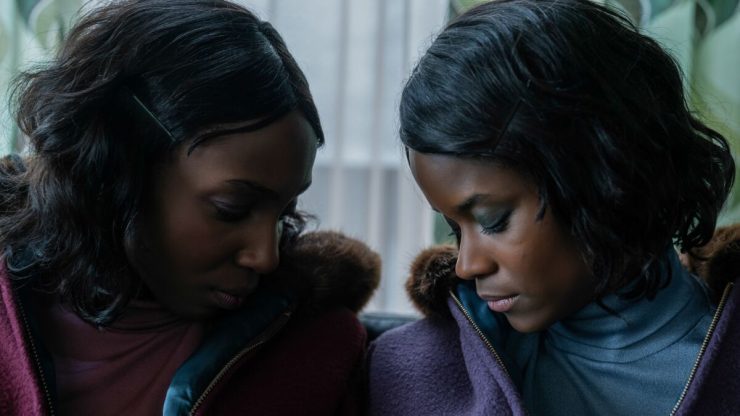
If it seems that you’ve heard about June and Jennifer Gibbons before, then you probably have. Their extraordinary story has been transferred onto stage and screen a number of times but The Silent Twins, adapted from the book by journalist and mental health campaigner, Marjorie Wallace, is perhaps the most striking and affecting.
Growing up as two young women of colour in Haverfordwest in Wales, they stood out in the community, not just visually but because of their unique method of communication with each other. They would hardly look anybody in the eye, let alone talk to them: they were each other’s world and everybody else was shut out. School was impossible, the care system couldn’t cope with them and, after being convicted of arson and theft as teenagers, they were committed to Broadmoor, which was where Wallace took up their case.
Polish director Agniezska Smoczynska and screenwriter Andrea Seigel don’t give us a film with any easy answers – in fact, there are no real answers at all when it comes to the girls’ behaviour. Instead, they concentrate on giving us a compassionate portrayal of the sisters, but one that gives equal weight to the impact of their behaviour on the people around them. And there were times when it was devastating. The two were talented writers, producing numerous stories and poems and June self-published a novel, all of which earned them both reputations as experimental artists. It was also their only contact with the world outside their room and their home town, but even then it was still at a distance and very much on their terms. Yet, like anybody else, they needed love and understanding, something that was very much in short supply.
For their family and anybody else who came into contact with them, they were a frustrating mystery. Their older sister, despite trying to build a relationship with them, is always in their shadow and eventually gives up on them entirely. That might seem harsh, but it’s impossible not to sympathise with her and wonder if you’d do exactly the same in those circumstances. Their parents are loving and devoted, their mother resorting to leaving food outside their bedroom door and, even at Christmas, persuading the pair to come downstairs is hard work. They’d rather be together, talking in their own way and writing on a manual typewriter, one of the few things that seems to bring them real joy.
Letitia Wright and Tamara Lawrance are excellent as June and Jennifer respectively – they won BIFA’s first Best Joint Lead Performance award at the weekend – conveying the intensity of their relationship, one that regularly boils over into something seething with resentment and anger. They’re at the centre of what is essentially a sad story, one that offers only a smidgeon of hope at the end and which casts a critical eye on the treatment of the mentally ill in the 80s. Uplifting it certainly isn’t, but strong performances and a balanced, contemplative tone make it a compelling and thought-provoking watch.
★★★★
Drama | Cert: 18 | Universal Pictures | UK cinemas from 9 December | Dir. Agniezska Smoczynska | Letitia Wright, Tamara Lawrance, Jodhi May, Michael Smiley.
Discover more from
Subscribe to get the latest posts sent to your email.
About the Author